All the key standards for lightning and surge protection.
Standards for lightning and surge protection provide the fundamentals for safe, transparent and technically sound protection concepts in buildings and installations. They define requirements, assess risks objectively and ensure that protection measures work reliably and protect lives, material assets and processes in the event of an incident. Anyone who designs, constructs or operates buildings has a responsibility and needs clear, internationally recognised and scientifically based rules. This overview sets out the key standards for lightning and surge protection, as well as their significance for design, construction and operation.


Global vs. local standards
Projects may need to comply with IEC standards (international) and with other national regulations. To understand how standards differ across regions go to our resource: Lightning protection design according to international standards.
Standards by scope of application
Standards provide a framework for lightning and surge protection applications and offer guidance for different types of buildings and infrastructure. They define requirements based on the area of application, helping to assess risks in a targeted manner and implement appropriate protection measures. The regulatory requirements and technical solutions vary considerably depending on the use of a building or installation. This overview shows you which standards apply to which areas of application and highlights the key considerations for design and implementation.
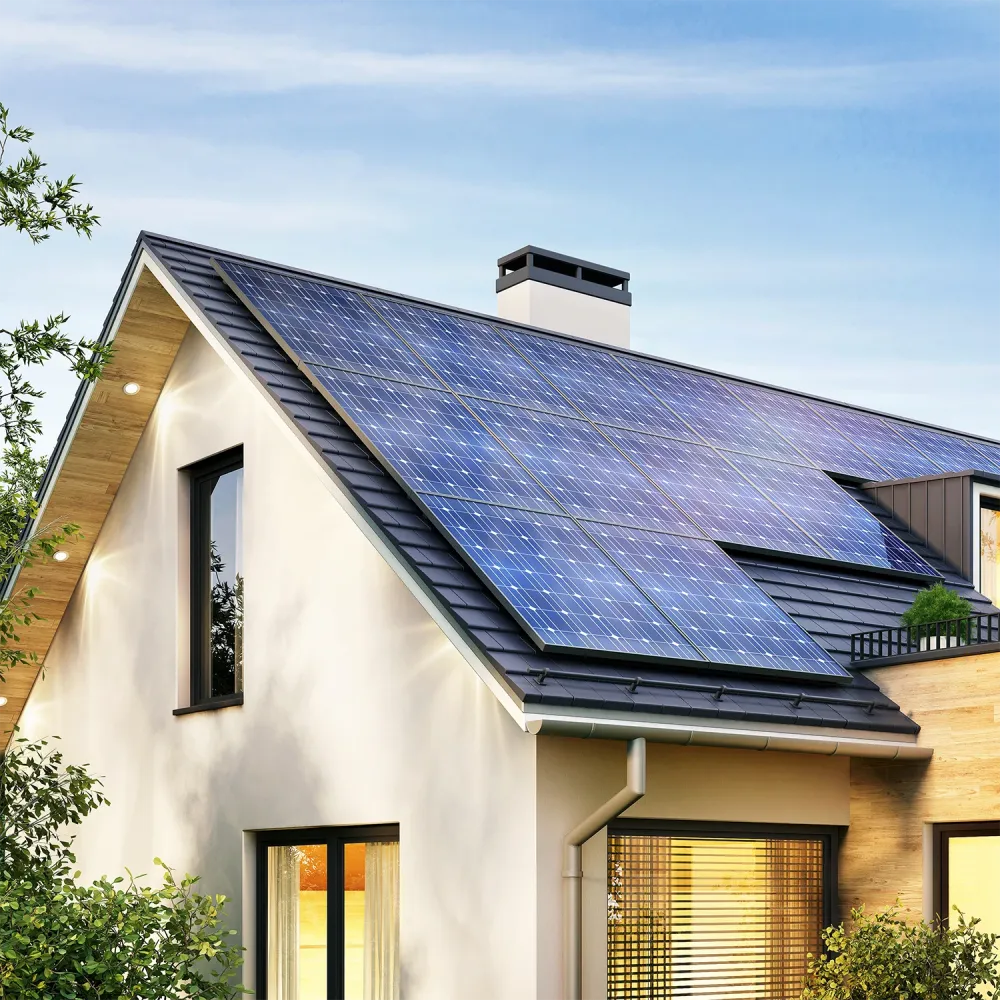
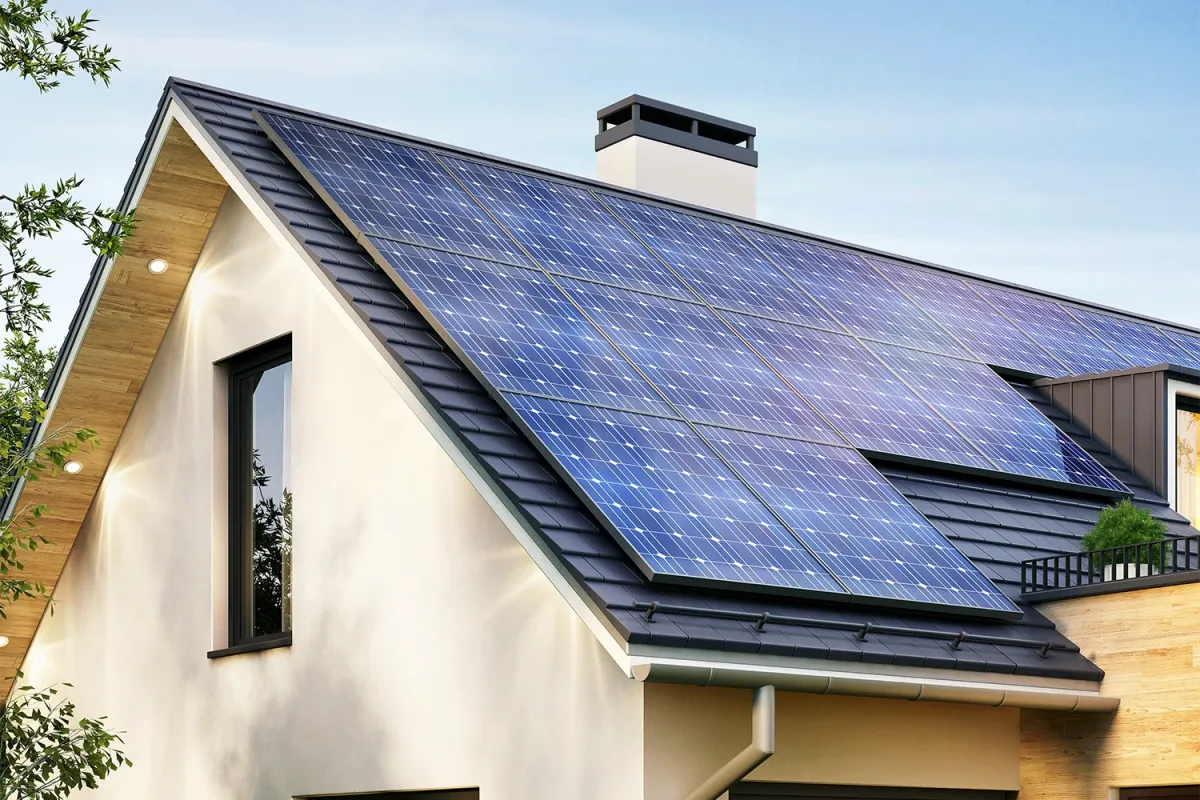
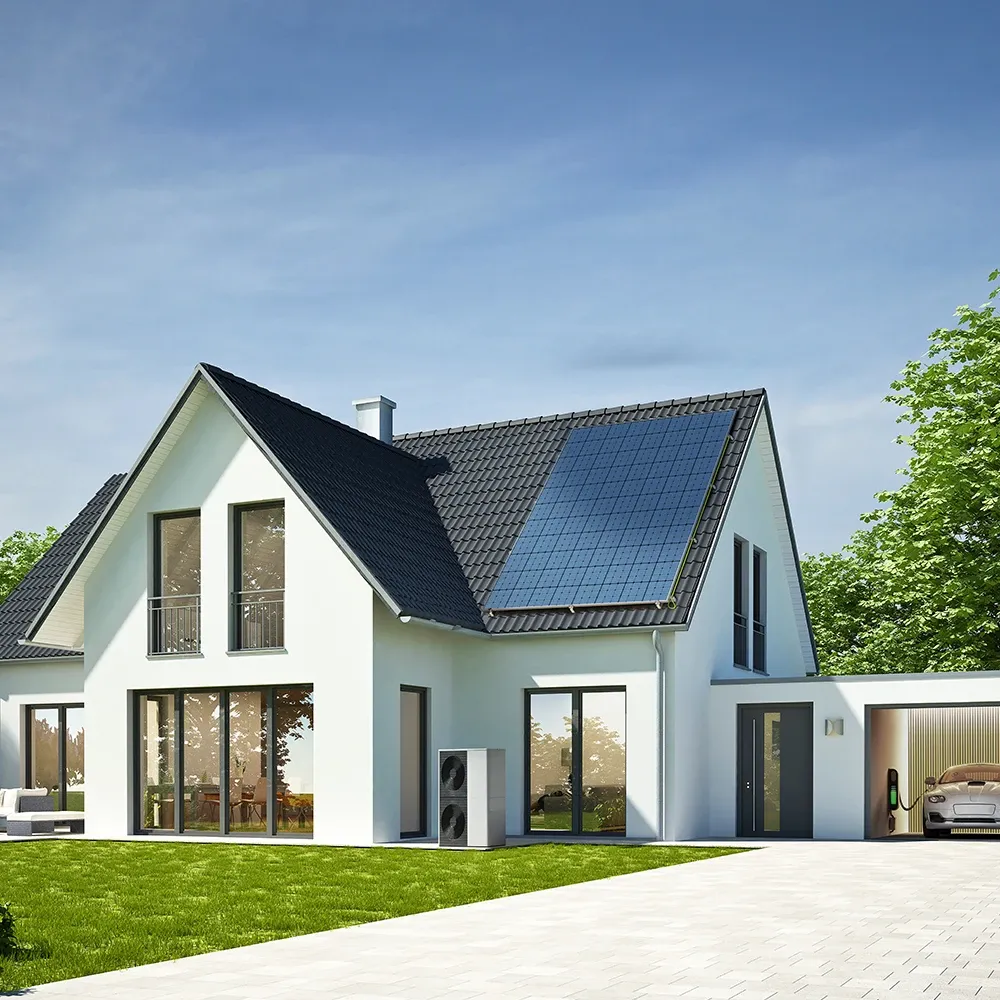
Standards for residential buildings.
Today, electrically networked building technology is the basis for modern living. The increasing electrification towards all-electric buildings or "prosumers" increases the demands on a seamless protection concept, as damage caused by lightning and surges is a threat to the entire system.
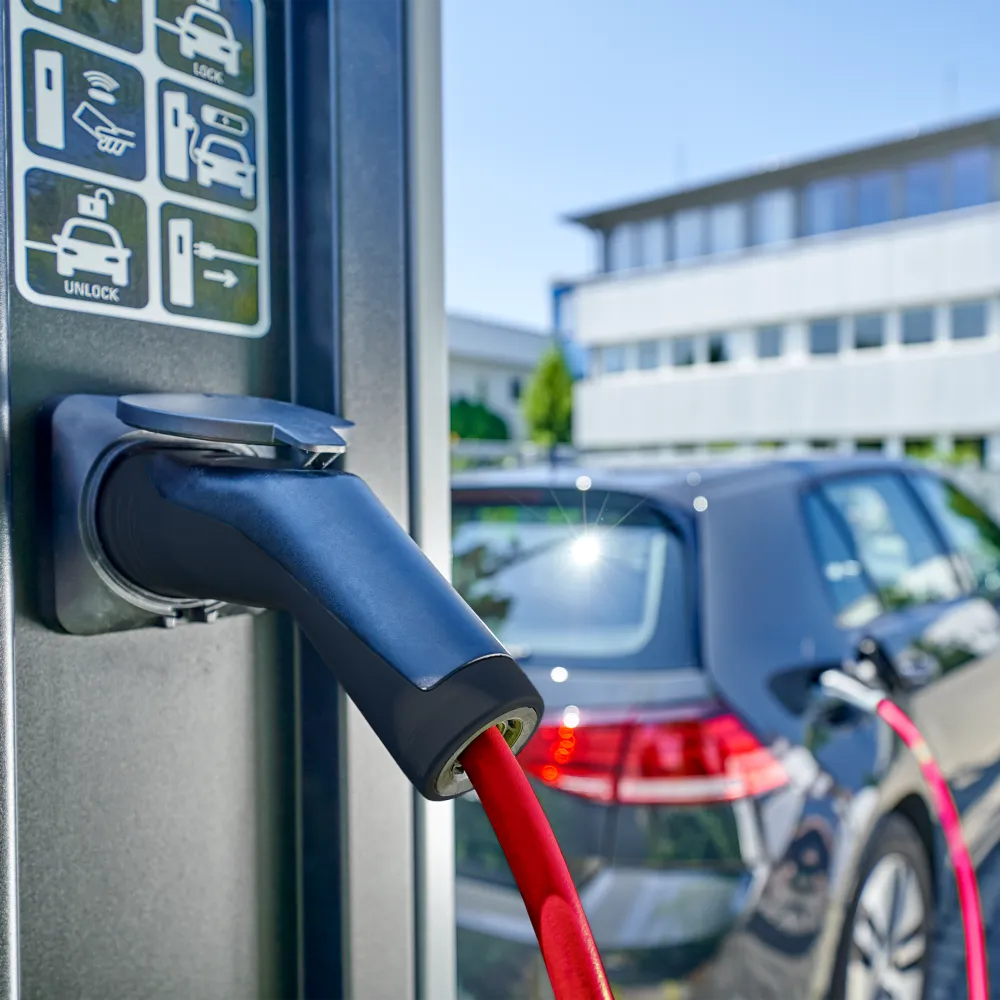
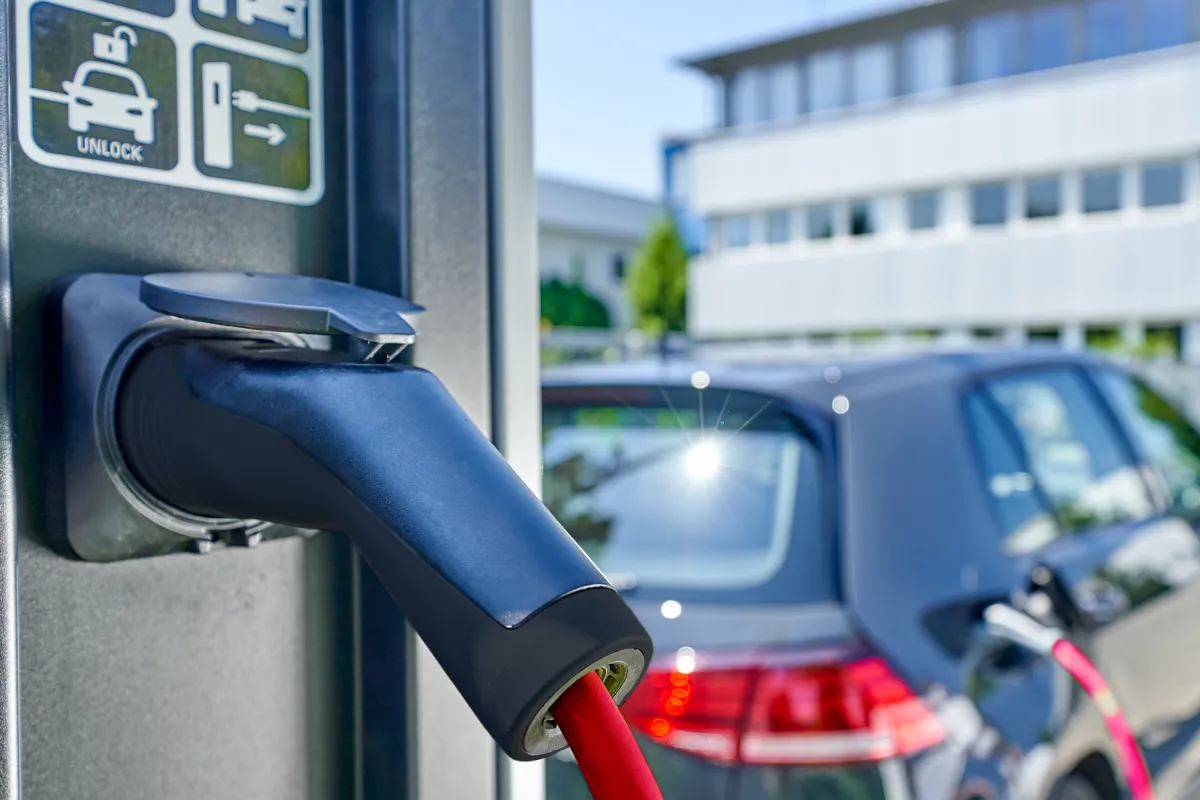
Relevant standards for E-mobility.
The standards that apply today have different areas of focus, but enable permanent and comprehensive protection solutions in their holistic application. The IEC 60364 standards are installation standards and must therefore always be applied to fixed installations.
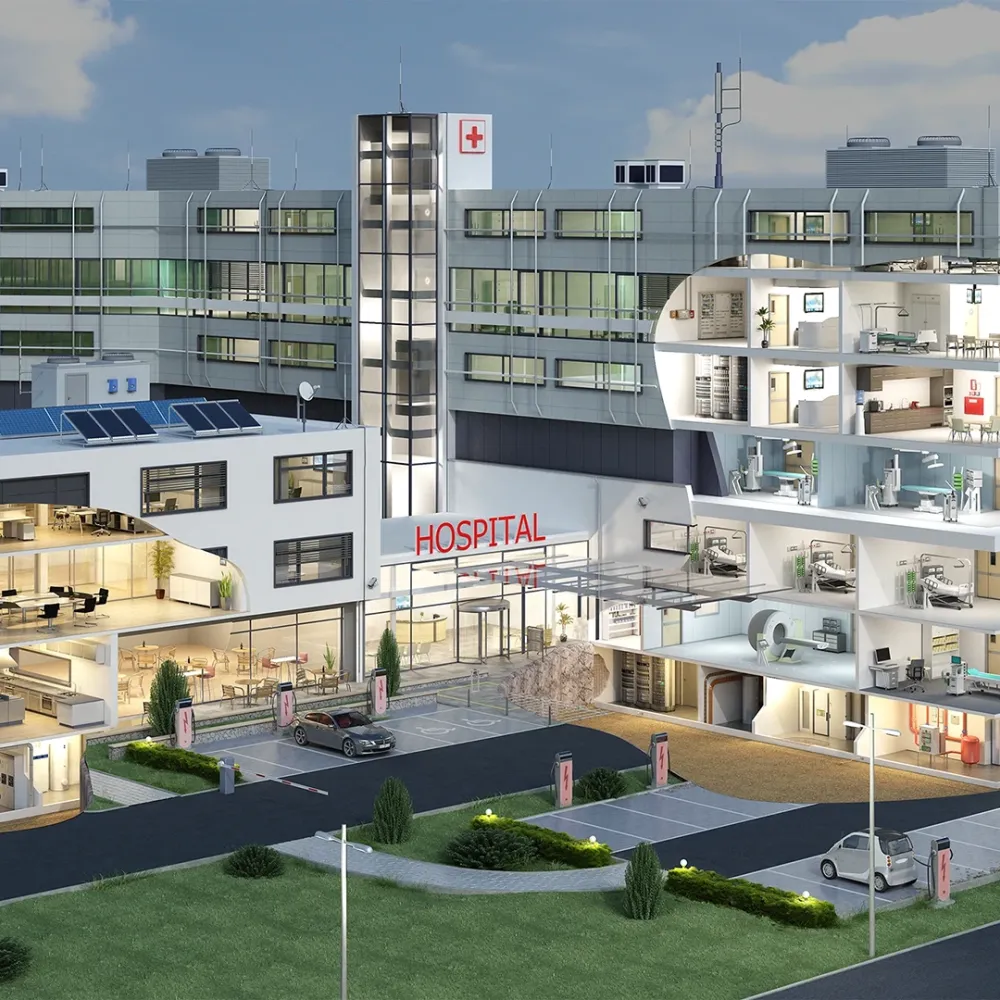
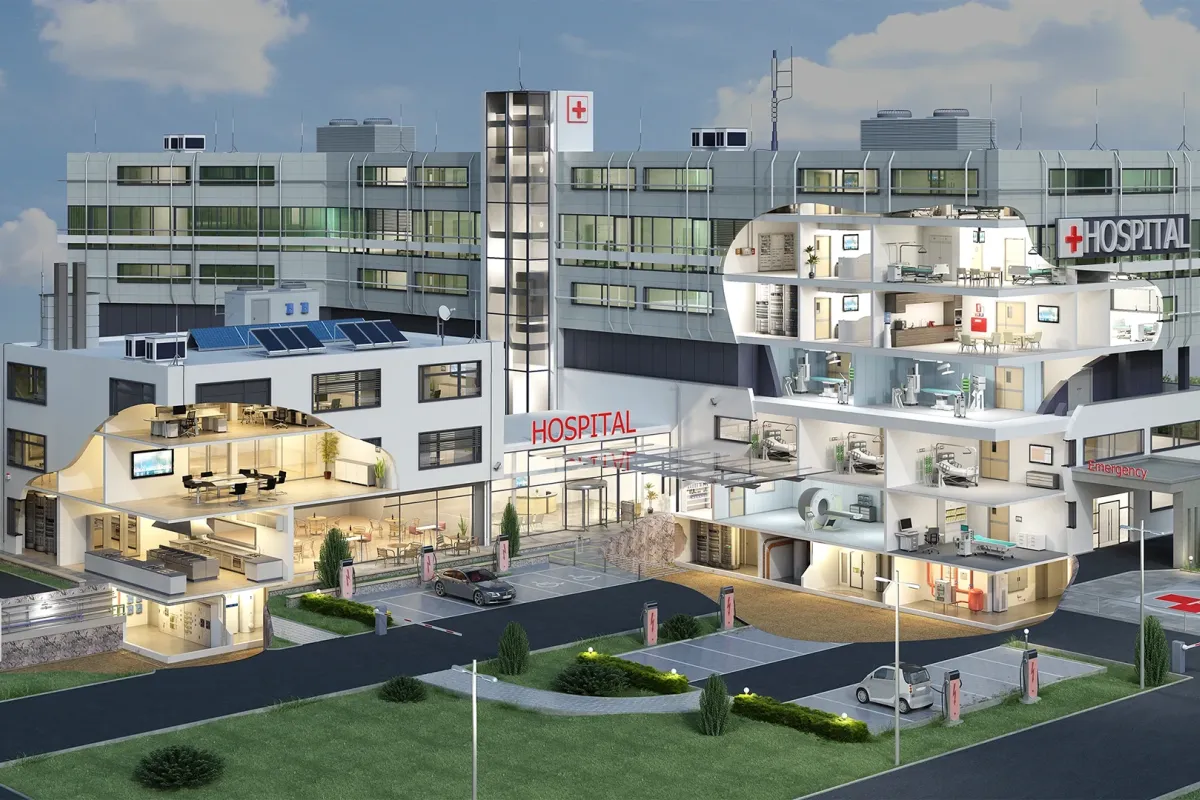
Surge protection standards for hospitals.
Our standard-compliant surge protection solutions, developed from decades of expertise, ensure that dangerous interference energy is reliably reduced to a harmless level and that operations in the hospital run smoothly.
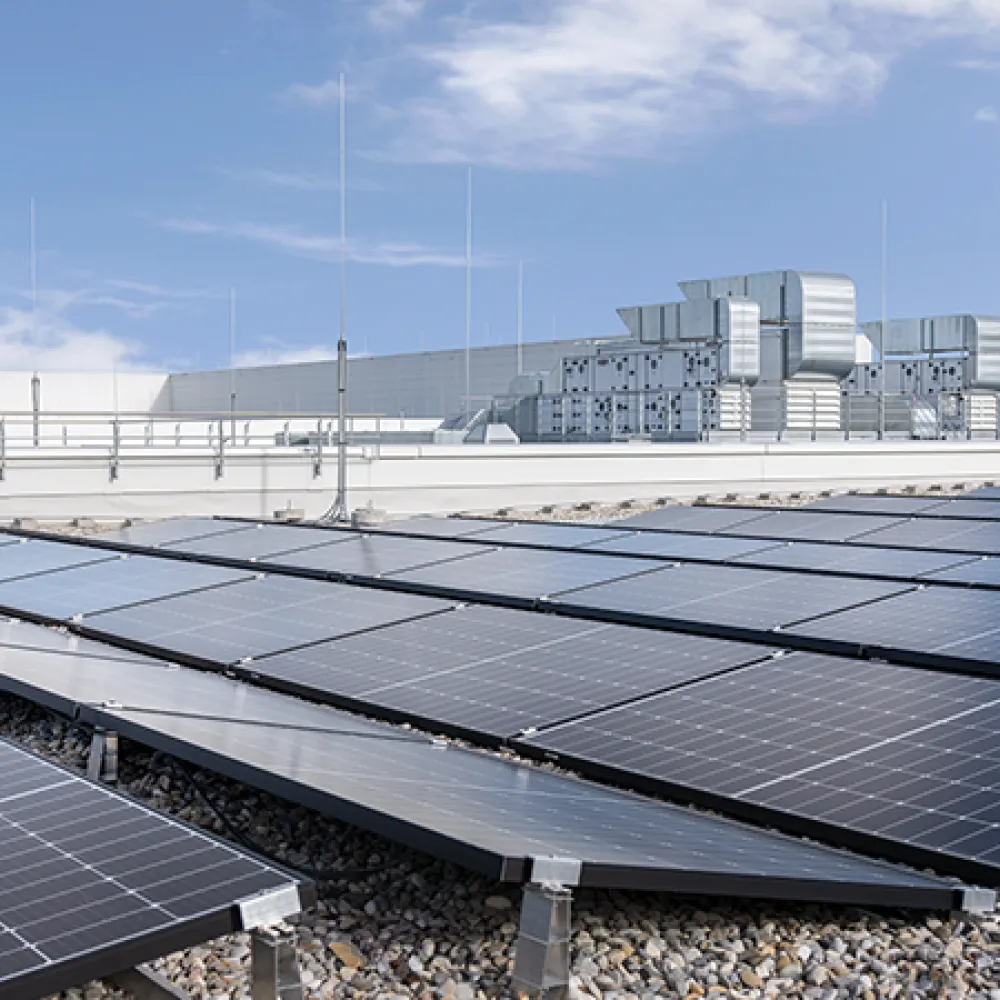
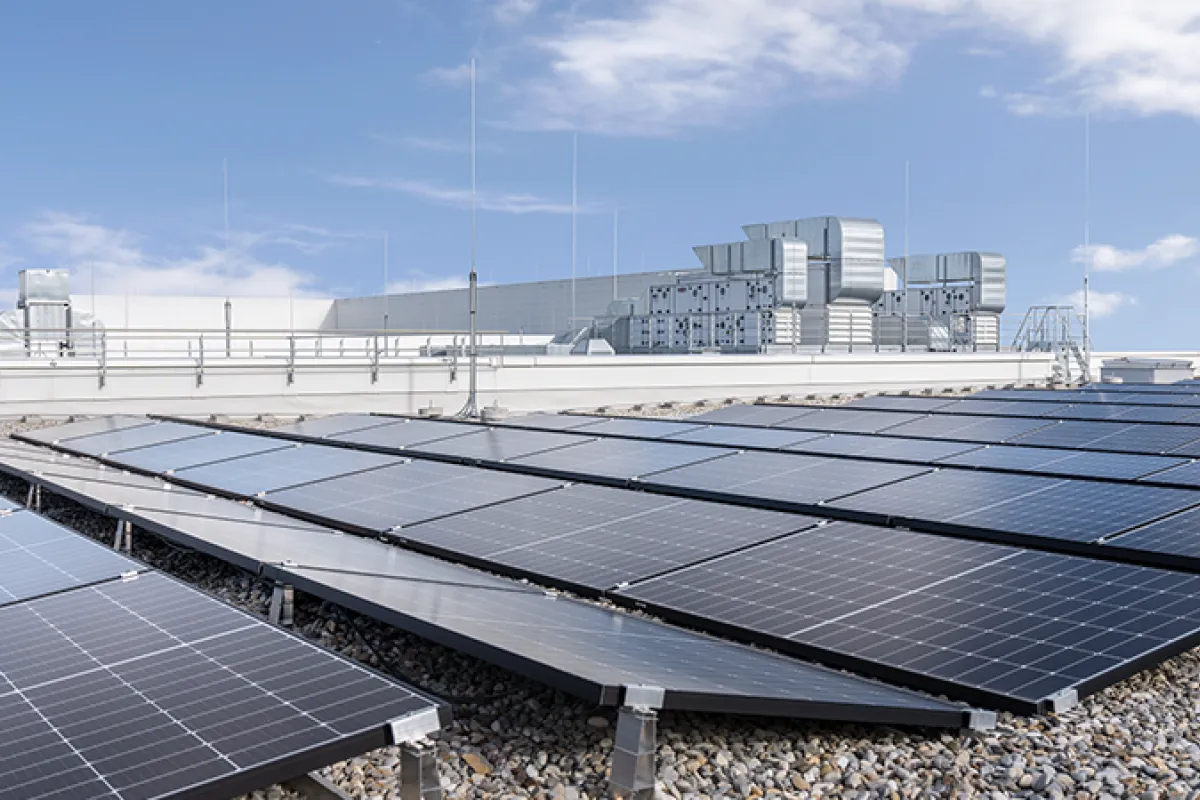
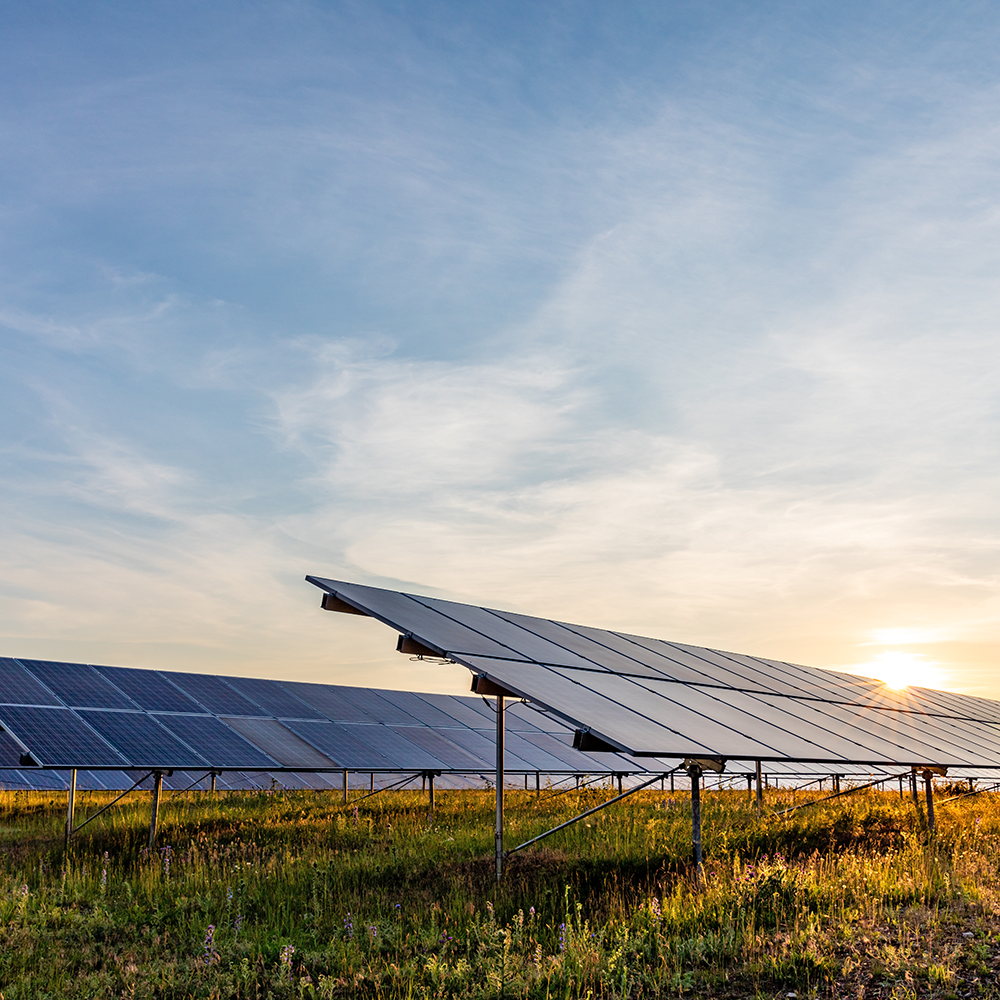
Lightning and surge protection for photovoltaic systems
Protection against lightning and surges plays a central role in the design and installation of photovoltaic systems. The following regulatory requirements must also be complied with in order to operate the system safely and efficiently.


Relevant standards for railway infrastructure installations
Standards in the railway sector perform several important functions:
Uniform standards make sure that all components and systems function safely and reliably. Standards also ensure that different parts and systems are compatible with each other.
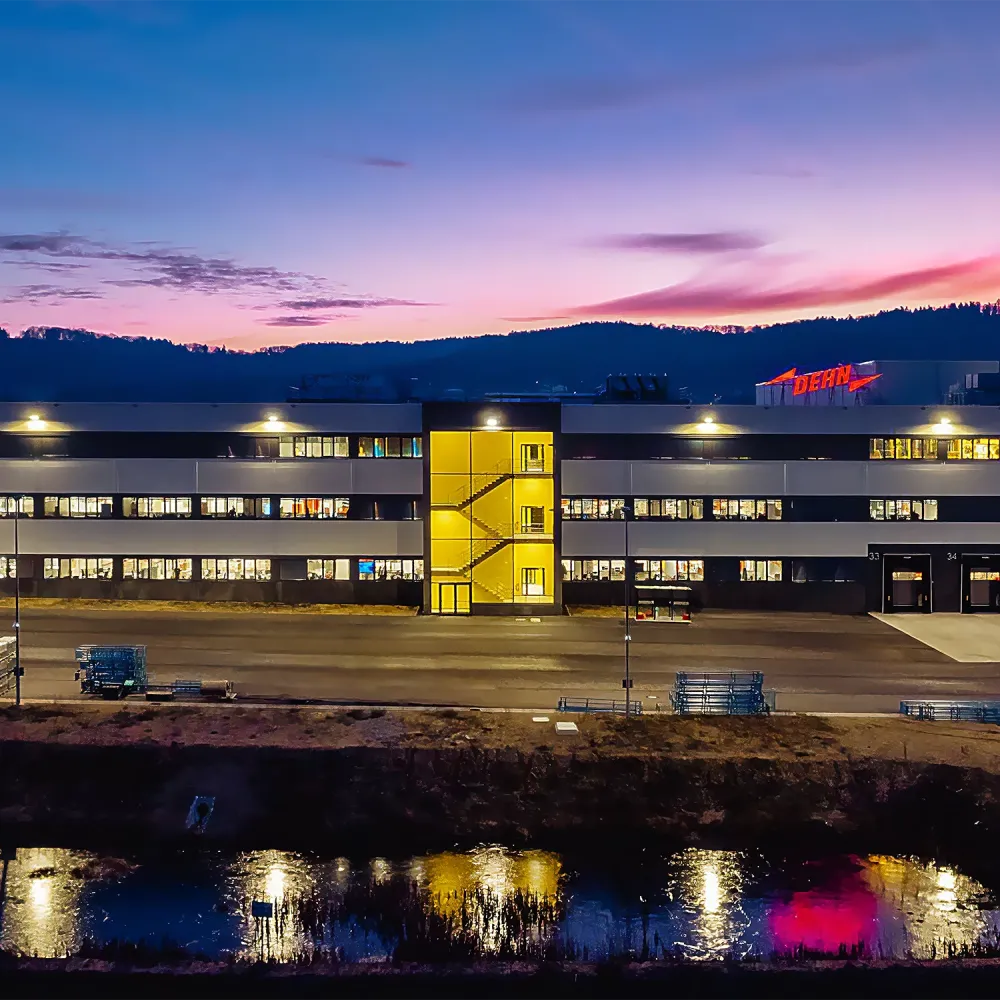
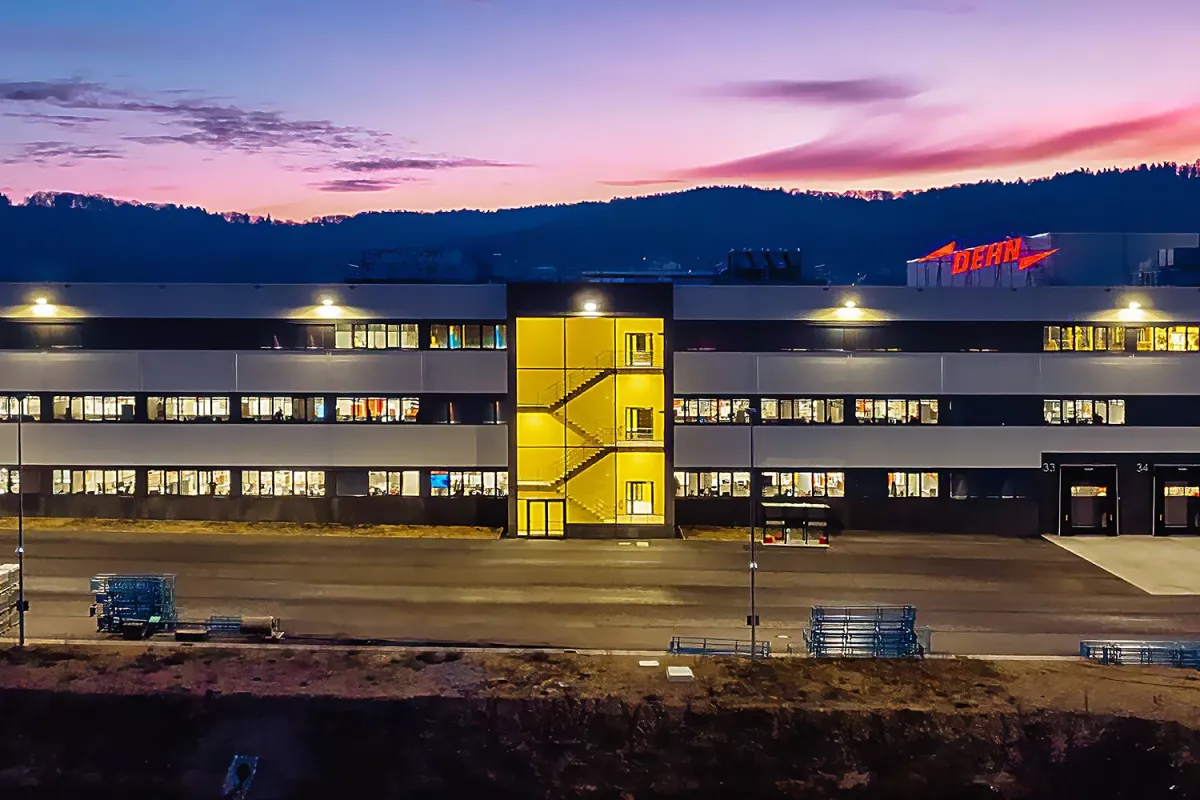
Safety for Industrial and functional buildings
Lightning and surge protection are important components for ensuring the function of electrical infrastructure in multifunctional buildings as well as systems and production processes in industrial buildings.
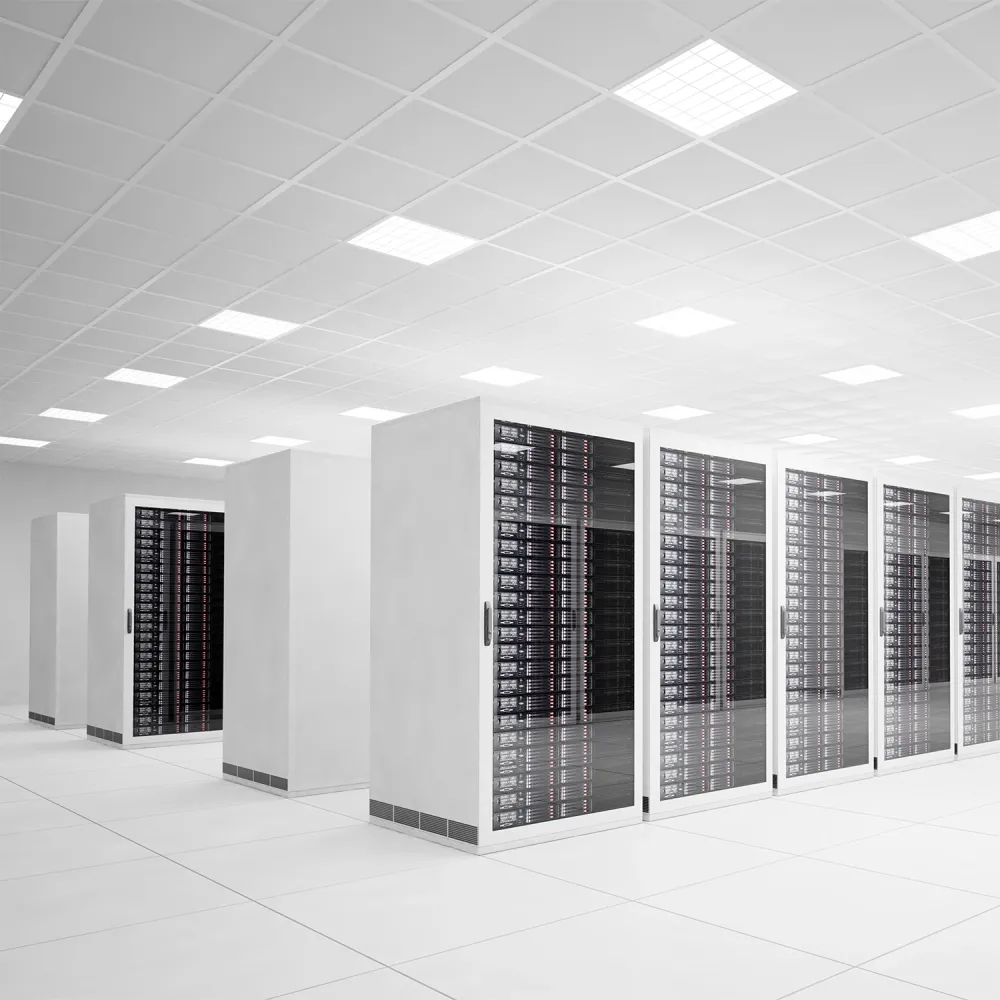
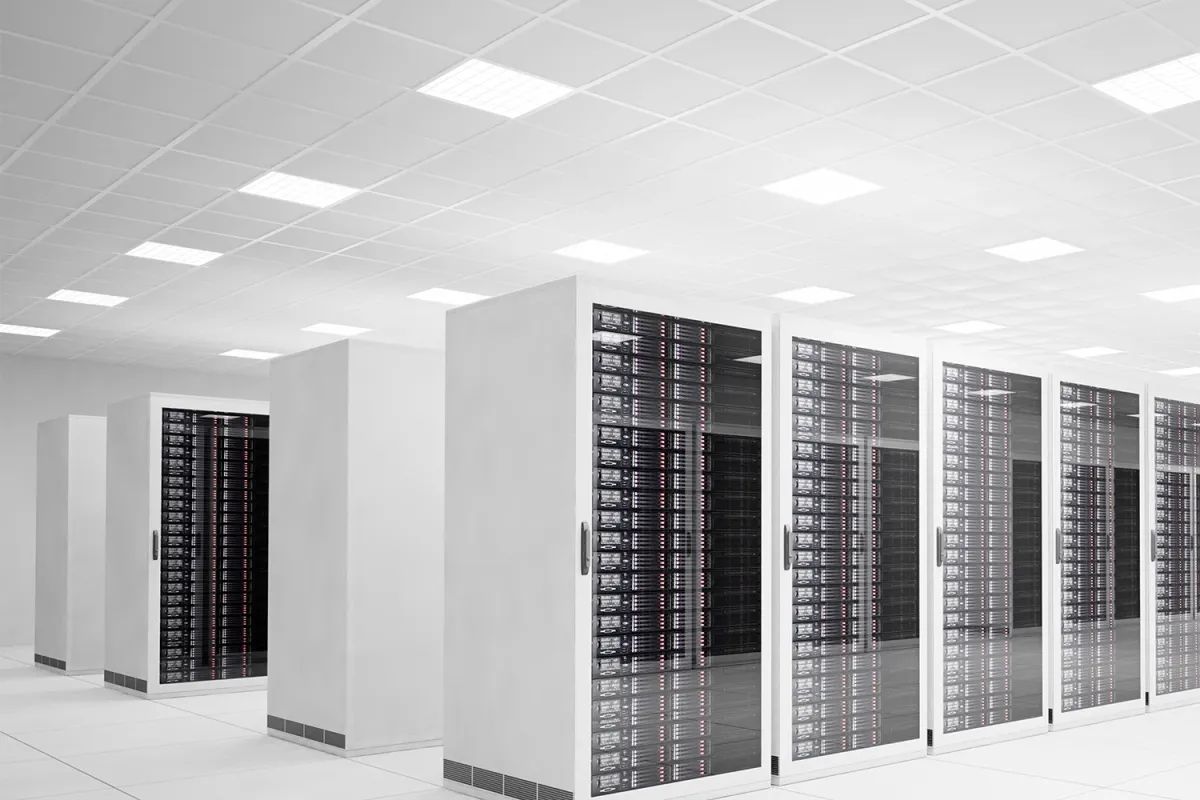
Normative requirements for data centers
The standard EN 50600 is of primary relevance for the planning and implementation of protection measures for data centres. In relation to lightning and surge protection, it refers to IEC 62305.
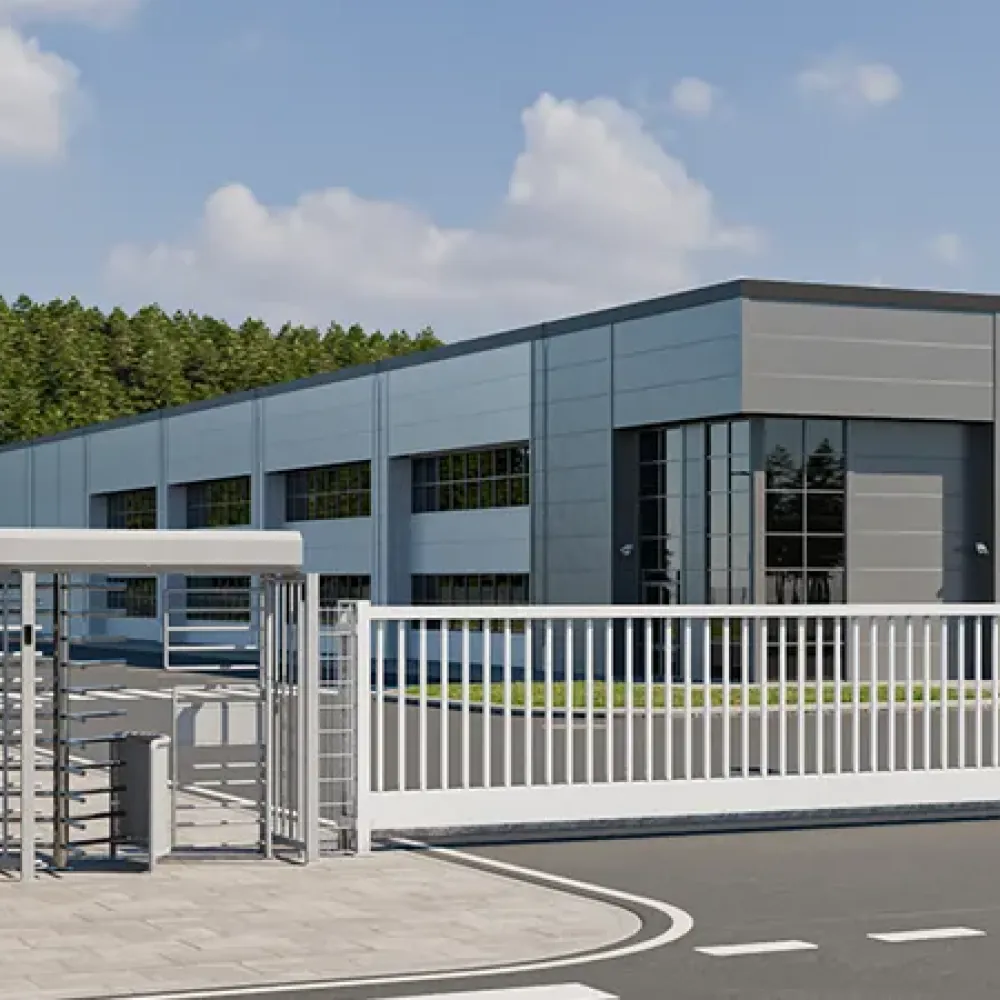
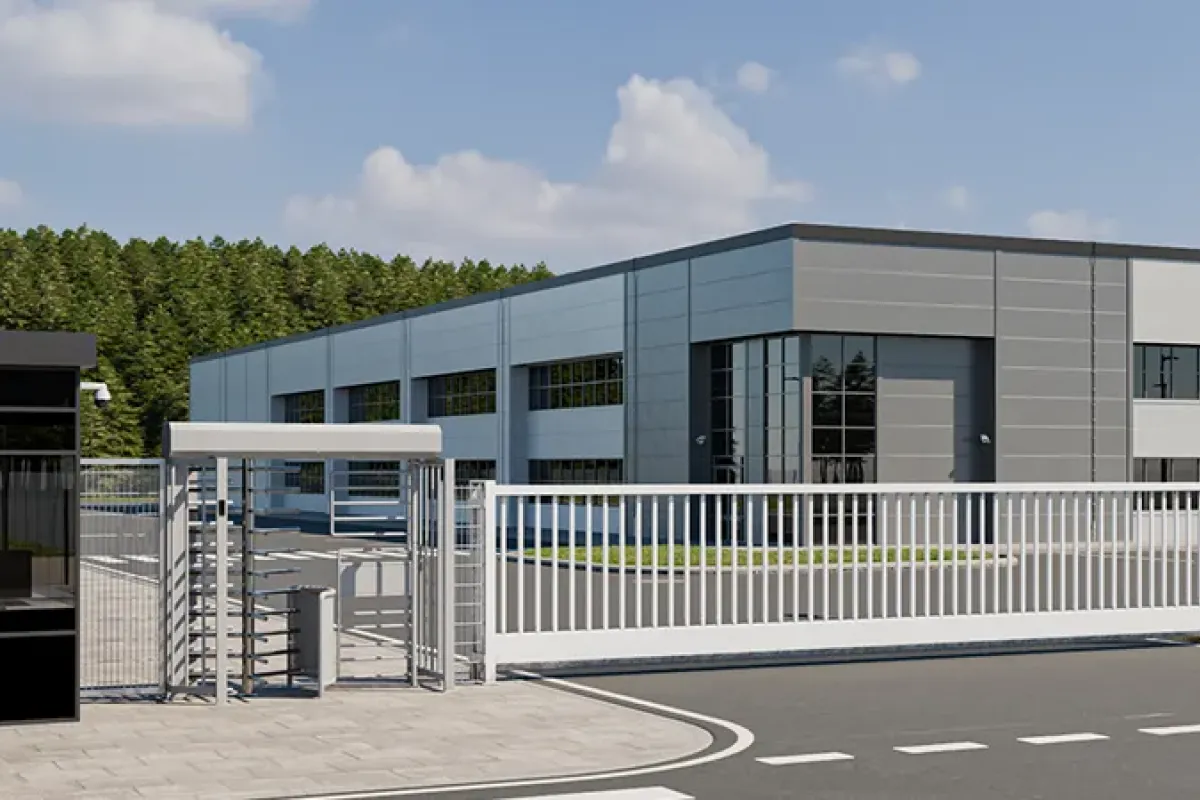
Lightning and surge protection for technical building equipment
Buildings such as data centres and hospitals are now highly electrified and rely on complex networked systems. Whether it's energy management, access control or efficient building control – reliable operation is virtually impossible without advanced electronic components.
Support for your projects.
Make use of our tools to make sure you're standard-compliant.
Our experienced engineers support you in the complete planning of your lightning and surge protection measures.
Make planning easier with the various calculation programs in the DEHNsupport Toolbox – the software for planning engineers, lightning protection installers and electricians.
Tools, info, support - at a glance.
Access to guides, brochures, and technical resources.
